Archives
- 2026-09
- 2026-08
- 2026-07
- 2026-06
- 2026-05
- 2026-04
- 2026-03
- 2026-02
- 2026-01
- 2025-12
- 2025-11
- 2025-10
- 2025-09
- 2025-03
- 2025-02
- 2025-01
- 2024-12
- 2024-11
- 2024-10
- 2024-09
- 2024-08
- 2024-07
- 2024-06
- 2024-05
- 2024-04
- 2024-03
- 2024-02
- 2024-01
- 2023-12
- 2023-11
- 2023-10
- 2023-09
- 2023-08
- 2023-06
- 2023-05
- 2023-04
- 2023-03
- 2023-02
- 2023-01
- 2022-12
- 2022-11
- 2022-10
- 2022-09
- 2022-08
- 2022-07
- 2022-06
- 2022-05
- 2022-04
- 2022-03
- 2022-02
- 2022-01
-
br Introduction GPR also known as
2022-01-03
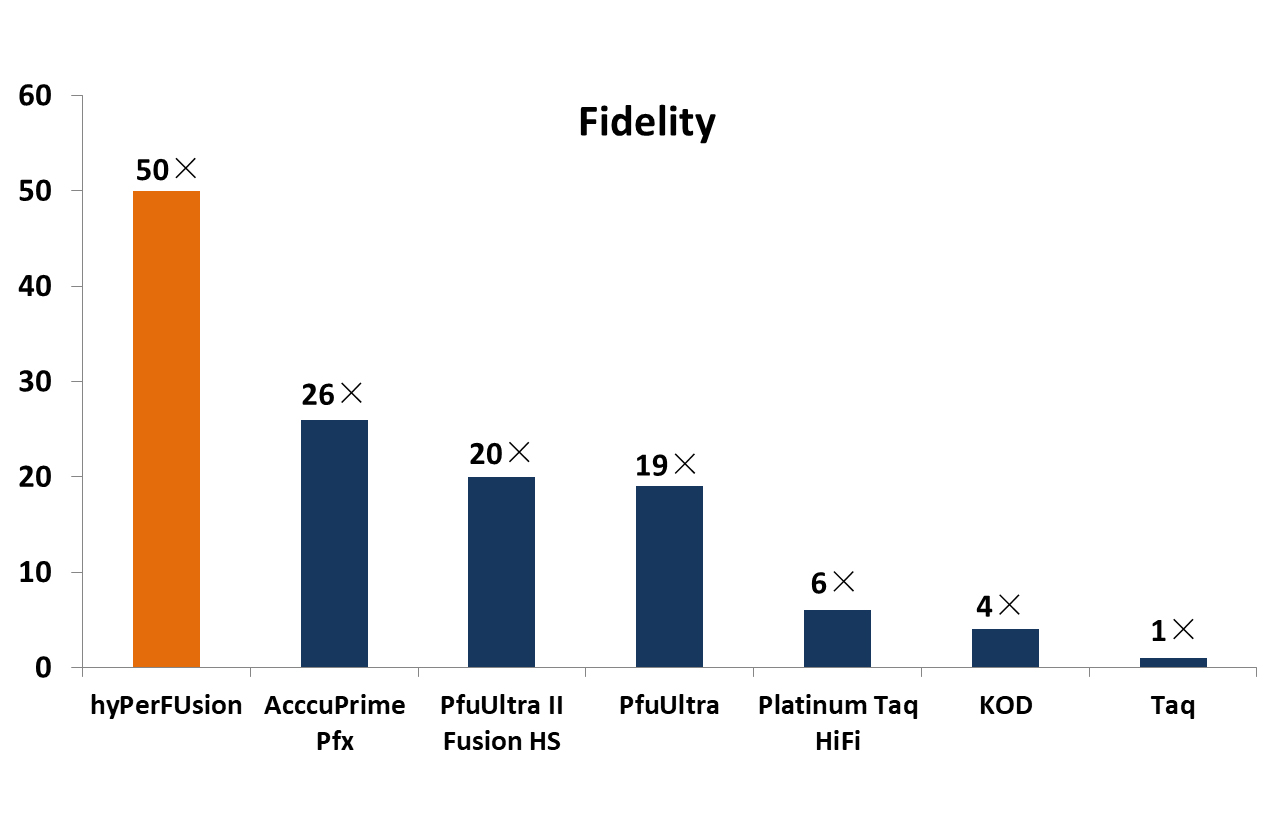
Introduction GPR40 (also known as free fatty POM 1 receptor 1), a member of the G-protein coupled receptor (GPCR) family, is expressed in pancreatic beta cells, intestine and the central nervous system (Bekinschtein et al., 2008; Itoh et al., 2003). It is activated by medium- and long-chain satu
-
br Conclusions br Conflicts of interest br
2022-01-03
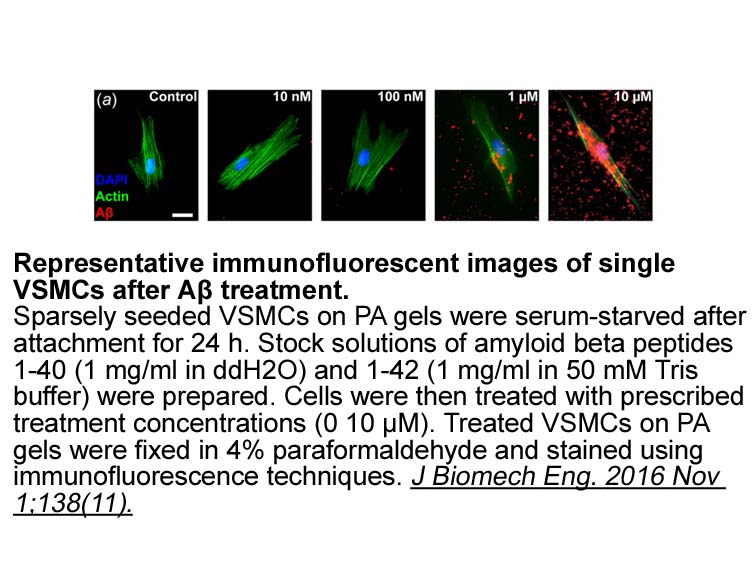
Conclusions Conflicts of interest Funding The research work was partially supported by National Science Center (Contract Grant Number: UMO-2015/19/B/NZ1/00332). Introduction Frusectose-1, 6-bisphosphatase (FBPase) has long been recognized as a potential therapeutic target for the treatm
-
As concerns TRPV assays benzylic amides and benzylic
2022-01-03

As concerns TRPV1 assays, benzylic amides and benzylic reverse amides exhibited an overall superiority over their aryl counterparts and , and ureas and . A reversed trend was however observed with the 4-chlorostyryl and 4--butylphenyl moieties (compare compounds and ; , , and ; and ). The EC a
-
H O induced astrocyte ATP release through lysosome
2022-01-03
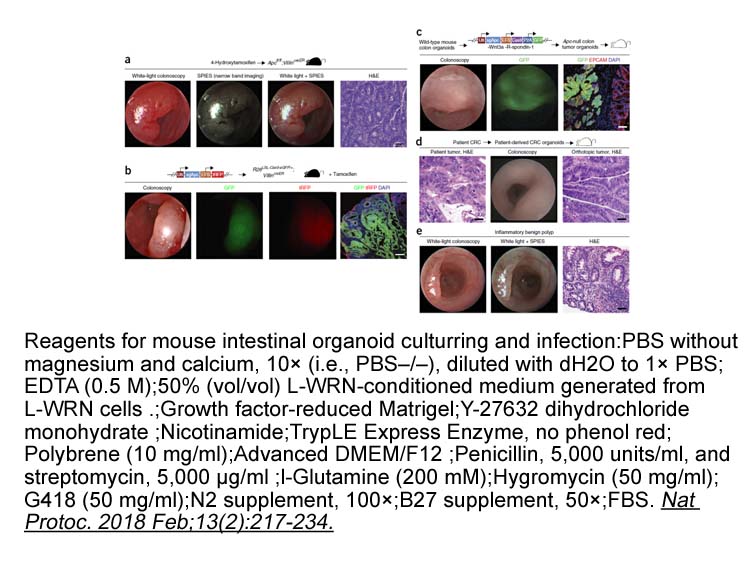
H2O2 induced astrocyte ATP release through lysosome exocytosis. The LDH assay and electric microscope results indicated that the increase of extracellular ATP concentration was not due to the cell rupture, but the alternations in cell activities. In addition, when lysosome exocytosis was blocked by
-
LSD also contributes to the
2022-01-03
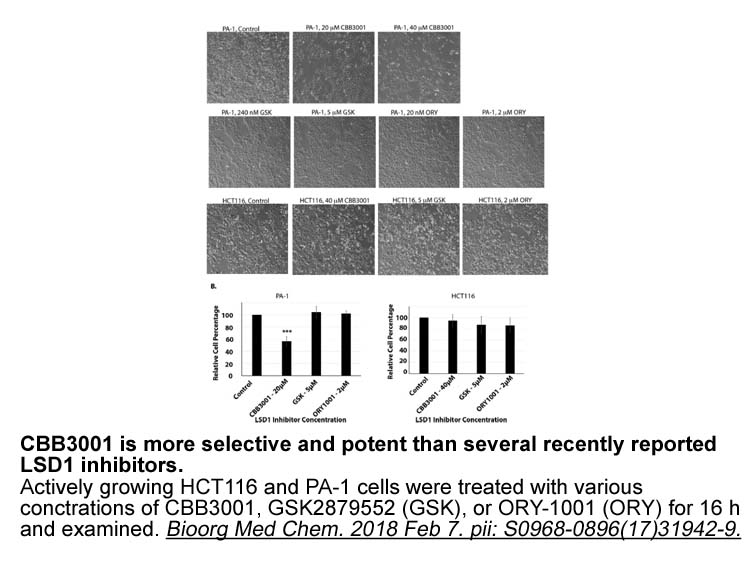
LSD1 also contributes to the regulation of specific programs of gene expression in postmitotic, fate-committed neurons. Perhaps its most specialized role is in the complex series of epigenetic regulatory events that permit each olfactory sensory neuron to express one and only one of the thousands of
8015 records 535/535 page Previous First page 上5页 531532533534535